A Background on Basilicas
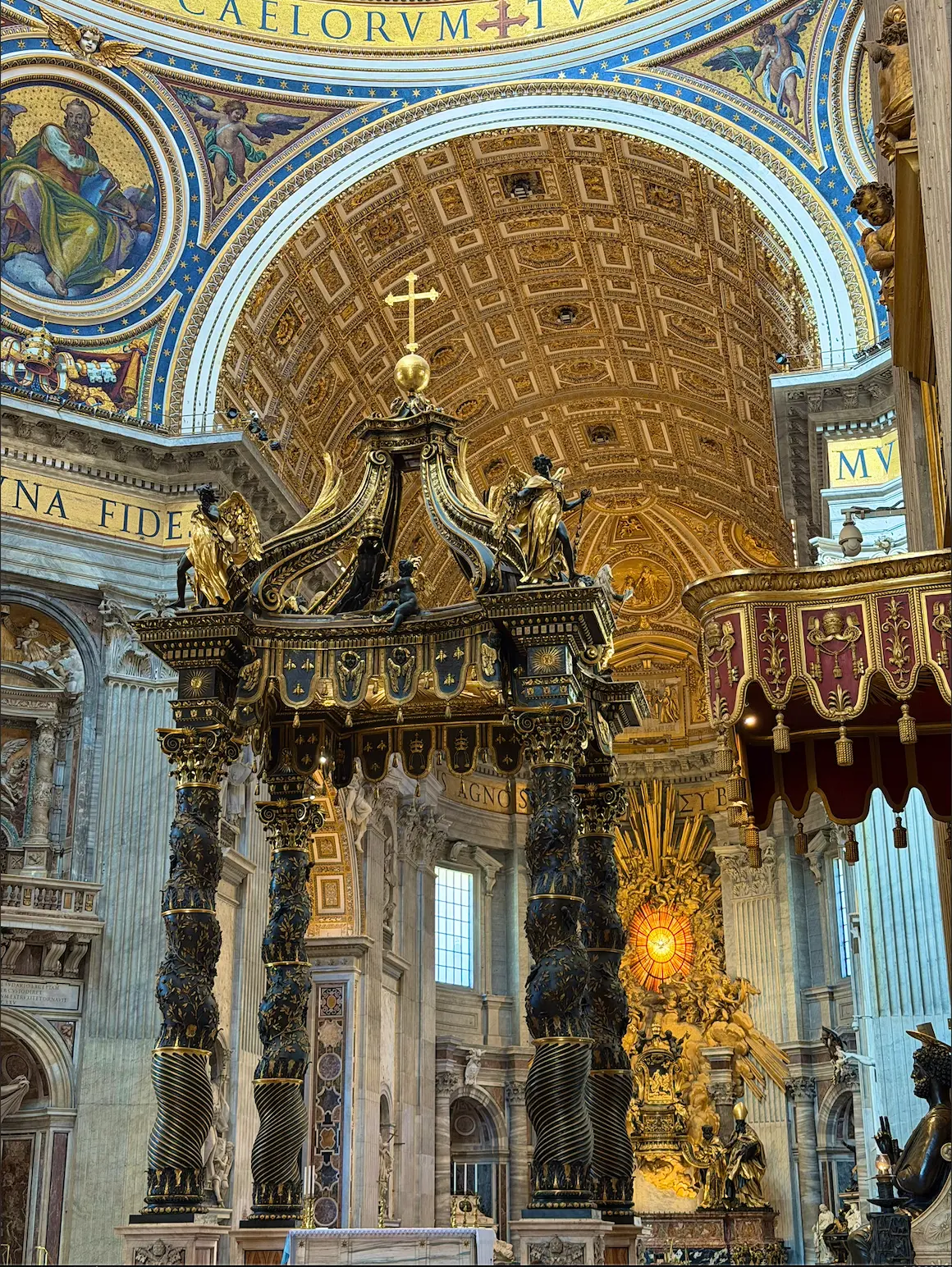
"Basilica" comes from a Greek word meaning royal house — the great halls where kings and officials once conducted public business. Rome adopted these vast structures as legal and administrative buildings, which is why the word arrived in Christian hands already meaning something grand and public.
In AD 313 the Edict of Milan decriminalized Christianity, ending centuries in which Christians were killed, imprisoned, and stripped of property. The growing Church suddenly needed large buildings in central places, and the basilica form was ready-made for it. Constantine ordered churches raised on holy sites across Rome and donated the land for St. John Lateran, the mother of all churches. Where emperors had gloated in worldly authority, Christ was now enthroned.
Major and Minor Basilicas
In the fourth and fifth centuries the Church established four patriarchal basilicas in Rome. Today they are known as the four major basilicas, the most important pilgrimage sites in Christendom:
- St. John Lateran — cathedral of the Diocese of Rome, of which the pope is bishop; the mother of all Catholic churches.
- St. Peter's — the largest church in the world, built over the tomb of the first pope.
- St. Mary Major — Rome's largest church dedicated to Our Lady.
- St. Paul Outside the Walls — raised over the tomb of St. Paul, just beyond the ancient city walls.
Not until the late eighteenth century did other churches begin receiving the title of minor basilica, marking them as pilgrimage destinations in the pattern of Rome. All 94 basilicas in the United States are minor basilicas.
The Two Signs Every Basilica Carries
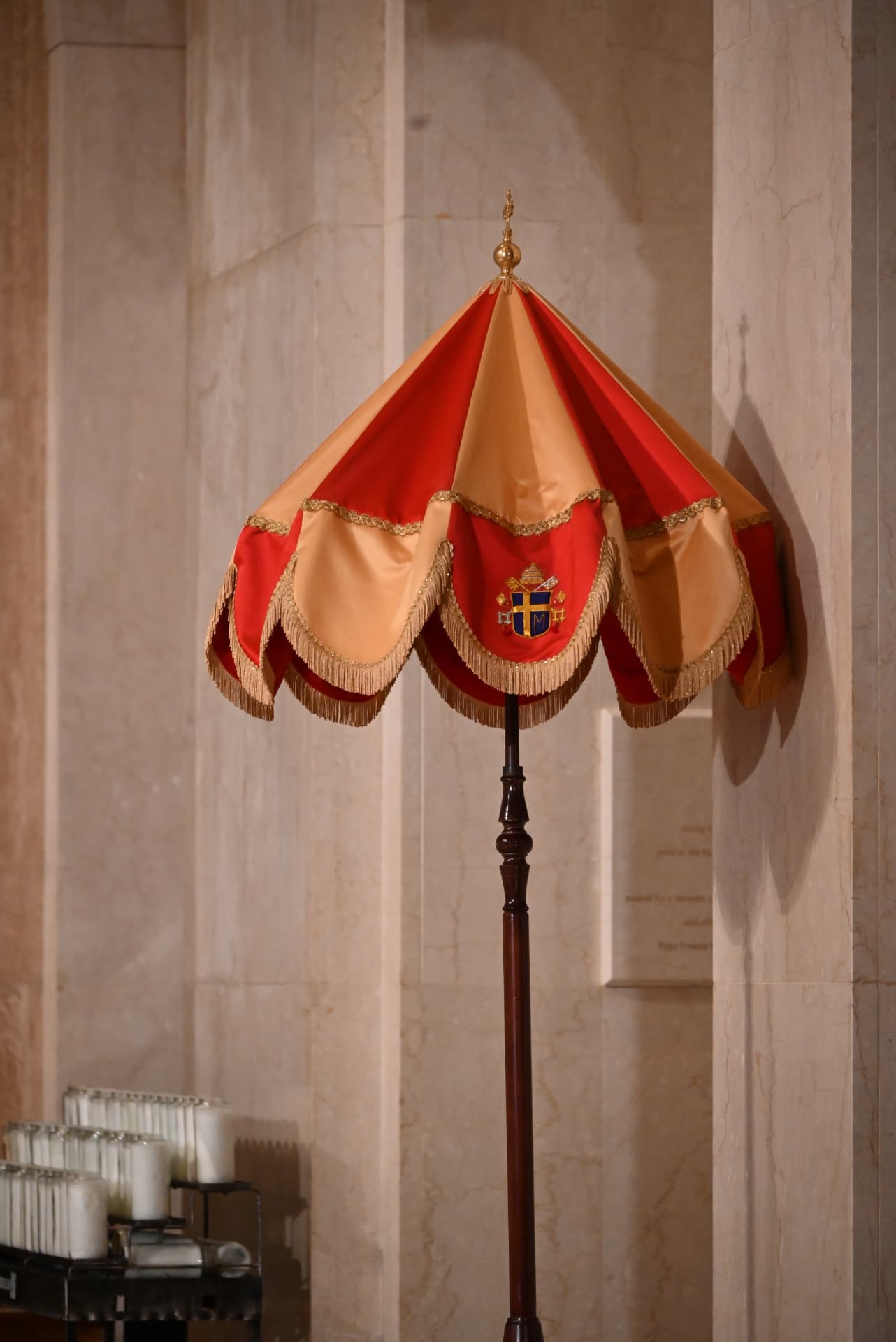
Ombrellino
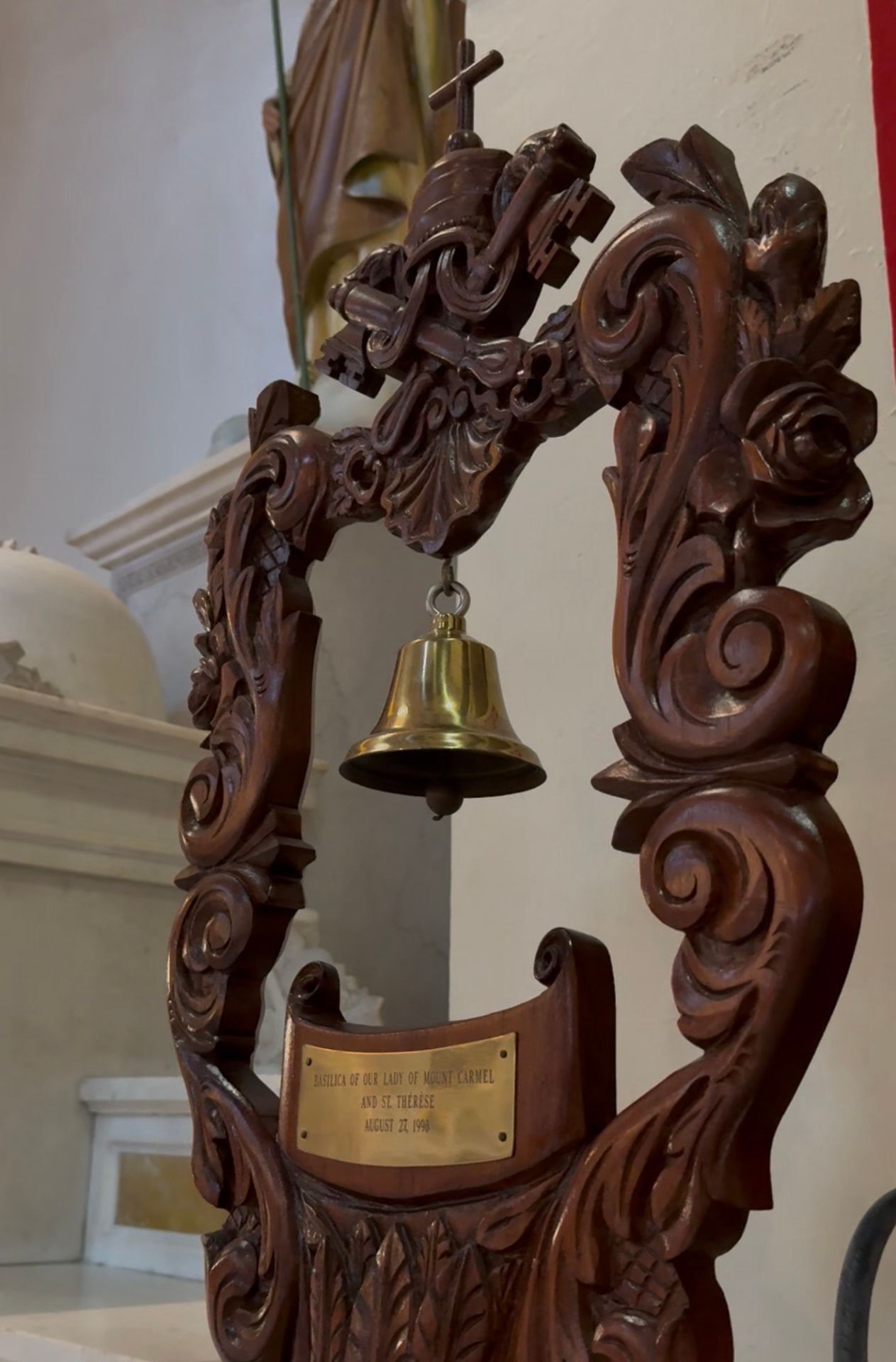
Tintinnabulum
Privileges and Responsibilities
The title is not merely honorary. A basilica should hold real historical or religious significance, be a place of exemplary liturgy, and keep enough pastoral staff to serve pilgrims well. In sign of its unity with the Holy See it marks the Feast of the Chair of St. Peter (February 22), the Solemnity of Sts. Peter and Paul (June 29), the anniversary of the pope's election, and the anniversary of its own elevation. The crossed keys may appear in its banners, decoration, and official seal, and its rector may wear a black mozetta with red piping.
Opportunities for a Plenary Indulgence
A plenary indulgence — the removal of temporal punishment due to sin — may be received by visiting a basilica:
- on the anniversary of its dedication or of its elevation to basilica;
- on the liturgical feast of the basilica's title or patron saint;
- on the Solemnity of Sts. Peter and Paul, June 29;
- on a day the local bishop designates, or one day a year of your own choosing.
Take part in a sacred rite — or pray the Our Father and make a profession of faith — and then fulfill the usual conditions: Confession within twenty days, Holy Communion, prayer for the pope's intentions, and detachment from all sin. The indulgence may be applied to yourself or to a soul in purgatory.
Making Pilgrimage, Not Sightseeing
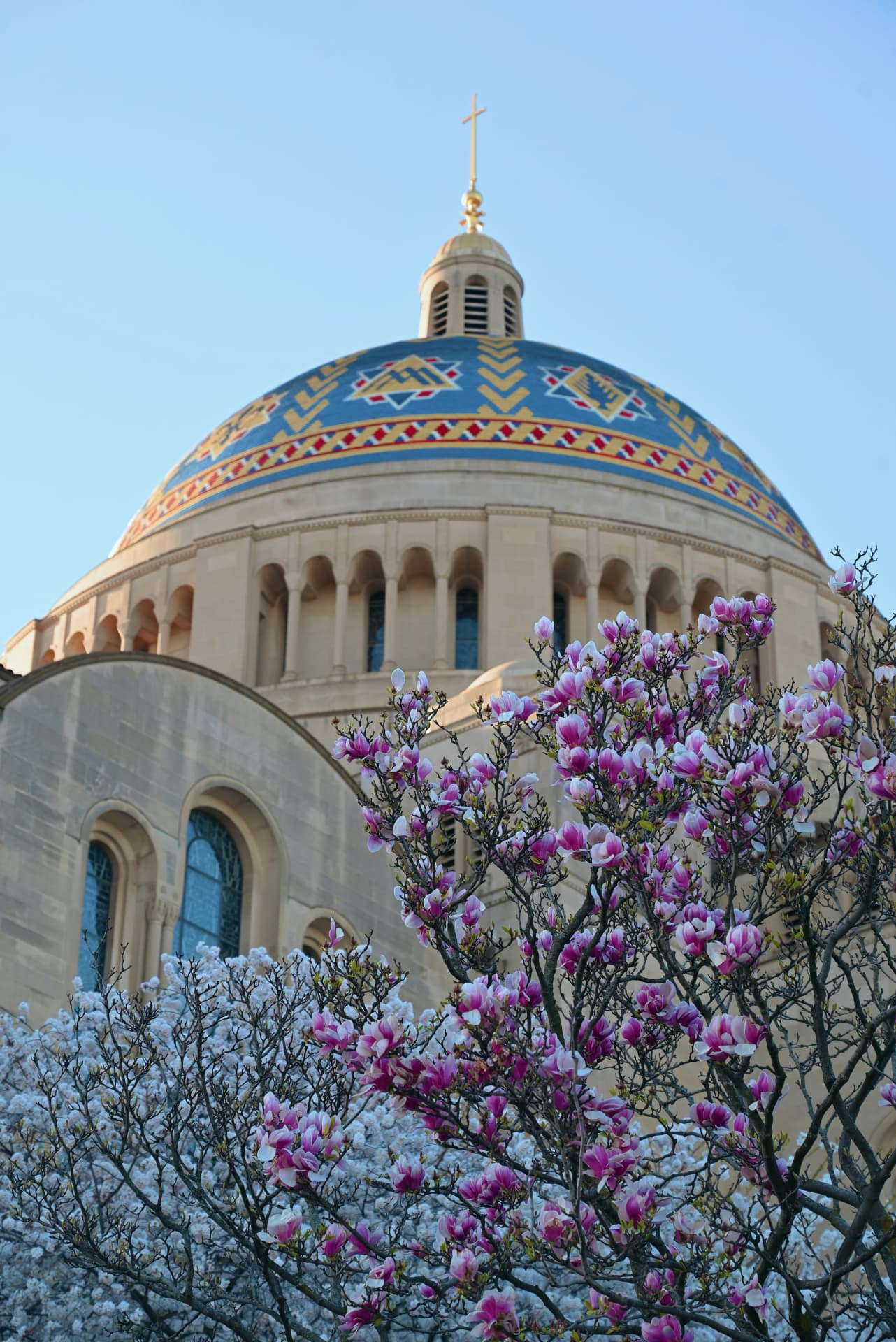
"Do not be like superficial sightseers... Tourists do this. Pilgrims, on the other hand, immerse themselves fully in the places they encounter."— Pope Francis
Basilicas are more than beautiful buildings; they are centers of abundant grace. Bring your petitions before the Lord in the silence of a sacred place, pray for the Holy Father, the local bishop, the rector and priests, and your own intentions. Ask the intercession of the saints and angels in the artwork around you. And support the parish you visit — a donation, a votive candle, a stop at the gift shop keeps these pilgrimage sites alive.